
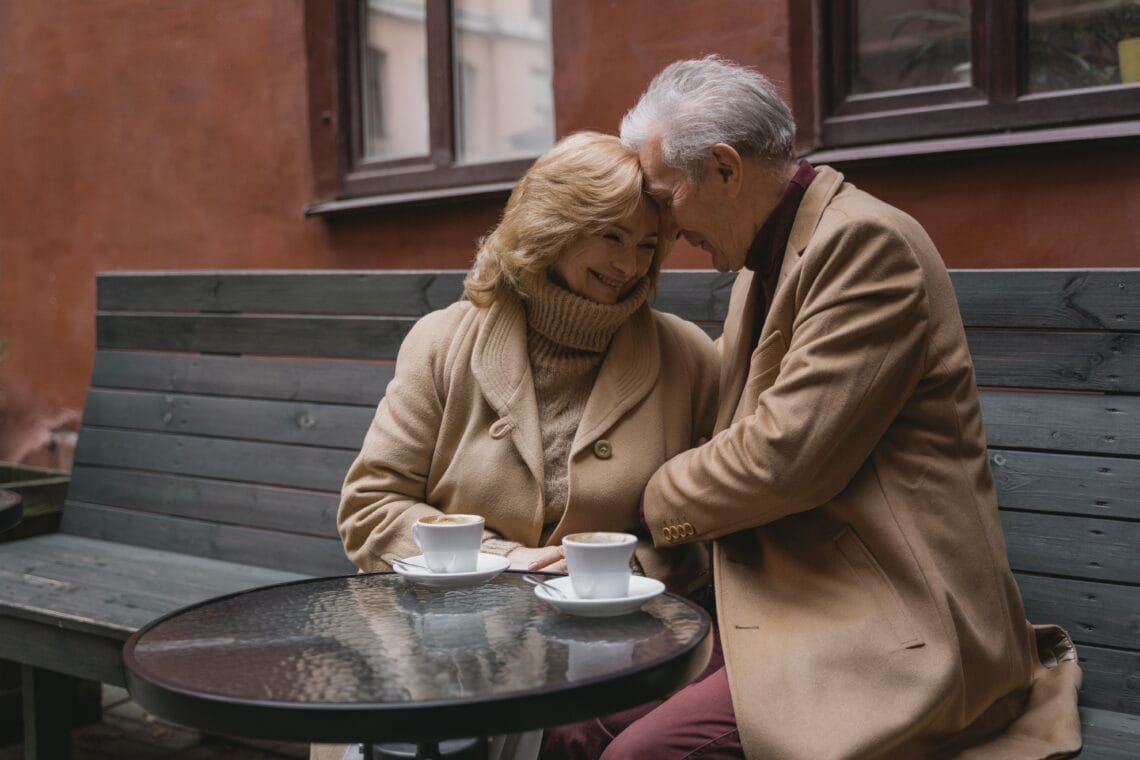
Dating in your 60s can be deeply rewarding because many people have a clearer sense of who they are, what they value, and how they want to spend their time.
While every couple is different, a few themes tend to matter more at this stage of life..
Prioritize companionship over performance.
Dating doesn’t have to look like it did in your 20s or 30s. Many couples find that meaningful conversation, shared activities, laughter, and emotional support matter more than trying to impress each other.
Stay curious about each other.
Even long-term partners continue to change. Ask questions about current interests, goals, worries, and dreams. People often assume they already know everything about their partner, but there is usually more to discover.
Make time for novelty.
New experiences can strengthen connection. Consider:
- Taking a class together
- Exploring a new town or restaurant
- Learning a hobby
- Attending concerts, lectures, or community events
- Traveling, even if it’s just a day trip
Shared new experiences often create fresh memories and conversations.
Be open about health and lifestyle needs.
In your 60s, health, energy levels, medications, and physical limitations may play a larger role in daily life and intimacy. Honest communication helps both partners feel understood and supported.
Discuss finances realistically.
Money can affect dating and relationships at any age. Whether you’re newly dating or in a long-term partnership, conversations about spending habits, retirement plans, travel expectations, and financial responsibilities can prevent misunderstandings.
Nurture physical affection.
Physical intimacy looks different for different couples. Holding hands, hugging, cuddling, kissing, and sexual intimacy can all contribute to closeness. What’s most important is communicating openly about comfort, desires, and expectations.
Maintain individual interests.
Strong relationships often benefit when both partners have some independence. Friendships, hobbies, volunteer work, and personal goals can make life richer and give you more to share with each other.
Don’t compare your relationship to others.
Every couple has a unique history, family situation, and set of priorities. Focus on building a relationship that works for both of you rather than matching someone else’s idea of what romance should look like.
Handle conflicts gently.
By your 60s, many people have learned that winning arguments is less important than preserving trust and respect. Try to:
- Listen before responding
- Avoid bringing up old grievances repeatedly
- Focus on solving the current issue
- Assume good intentions when possible
Create rituals of connection.
Small, consistent habits often matter more than grand gestures:
- Morning coffee together
- Evening walks
- Weekly date nights
- Regular phone calls if you’re apart
- Sharing highlights of the day
These routines help maintain emotional closeness over time.